
Rise Gently: Alignment at Sunrise on the Rooftop
We’re launching a live beginner alignment series for rooftop sunrise yoga, inviting you to welcome the day above the city with clear, confidence-building cues, supportive pacing, and friendly community energy. Expect roomy explanations, safe modifications, optional props, and real-time coaching as the sky brightens. No flexibility required—just curiosity, a light layer for the breeze, a grippy mat, and an open heart ready to breathe, move, and grow.
Why Dawn Changes Your Practice
Early light gently resets circadian rhythms, helping your body wake naturally while the city still whispers. Cooler air encourages steadier breath, fewer distractions support deeper focus, and quiet elevations foster presence. Practicing above rooftops, you’ll sense balance between spacious sky and grounded feet, noticing how sunrise softens worries, brightens mood, and steadies attention. This daily timing becomes an anchor that makes consistency feel effortless, compassionate, and genuinely inviting.
Science of First Light
Morning light signals your brain to lower melatonin and lift alertness without frantic effort, enhancing clarity across the day. Gentle movement layered onto that biological cue creates steadier energy and kinder self-talk. Add measured breath and straightforward alignment, and the nervous system buffers stress more effectively. Sunrise also means cooler temperatures, supporting joint comfort and sustainable pacing, especially when you’re learning foundational shapes step by careful step.
Emotional Reset Above the Streets
There’s a hush before the city’s rhythm fully arrives. Up high, traffic murmurs low and birdsong punctuates intention. That quiet becomes a soft doorway into curiosity rather than urgency. Moving slowly with sunrise encourages gratitude loops—brief reflections that redirect inner commentary from comparison toward patience. Beginners report feeling unexpectedly proud, simply because showing up early proves they can keep promises to their bodies and their breath without perfectionism.
Consistency Rituals That Stick
Consistency thrives when friction is low and meaning is obvious. Laying out your mat and layers the night before, preparing a water bottle, and pre-selecting comfortable clothes shrink morning decisions. Meeting friendly faces on a roof adds social accountability that feels warm, not pressure-filled. A short post-practice note on how your breath changed can become a trackable win, turning small improvements into reliable motivation that outlasts initial novelty.
Alignment Foundations for New Bodies
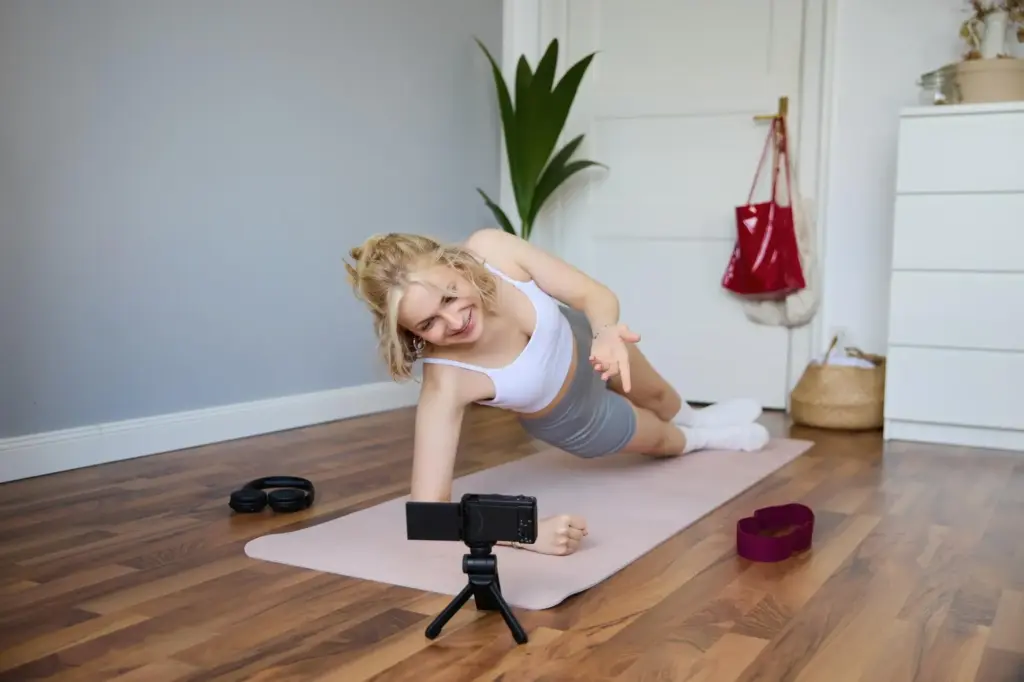
Feet, Knees, and Hips in Mountain
Start with feet hip-width, spreading toes to wake arches. Imagine drawing the mat apart to activate lateral hips, then gently hug shins inward to stabilize knees. Balance those opposing actions until legs feel responsive, not rigid. Stack knees over ankles, relax gripping, lengthen through crown, and soften jaw. This upright posture teaches how subtle engagement travels upward, transforming standing into a full-body conversation that steadies balance before any flowing movement begins.
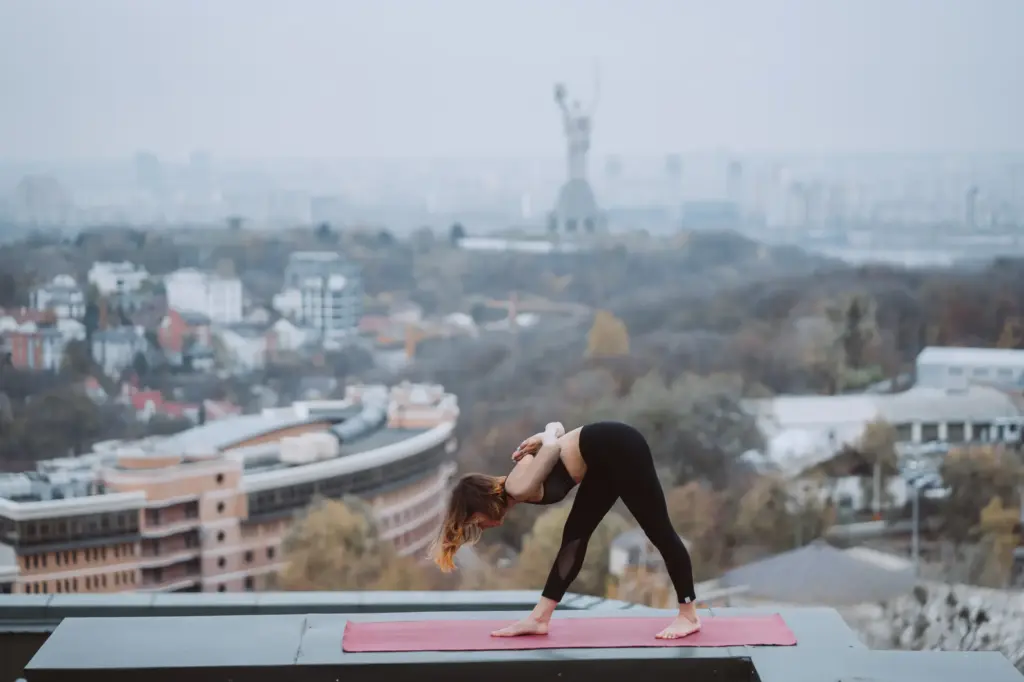
Protecting Wrists in Plank and Table
Many beginners collapse weight into heels of hands, straining wrists. We coach fingertip activation, clawing lightly to distribute load across the palm, combined with external rotation at the upper arm to broaden collarbones. Knees-down options, fists, wedges, and blocks meet different hands. Core engagement lifts belly away from gravity so shoulders don’t overwork. With these cues, bearing weight becomes accessible progress instead of discomfort, building confidence for future transitions and playful exploration.
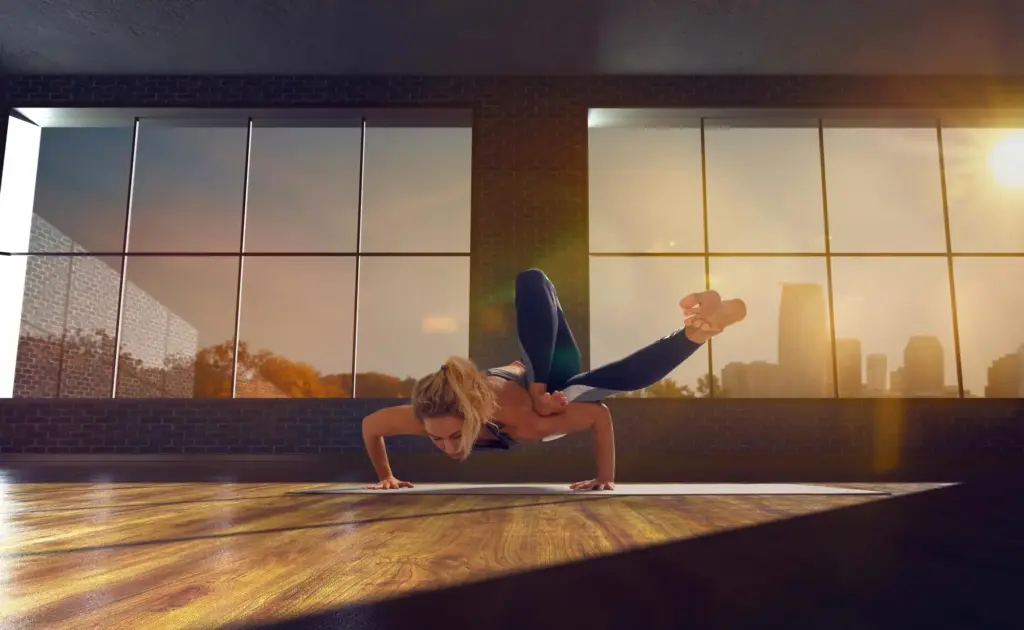
Shoulders, Ribs, and Breath in Gentle Backbends
Backbends feel friendly when ribs stay integrated and shoulders glide away from ears. In low cobra, press pubic bone lightly, lengthen tail, root toenails, and draw heart forward instead of jamming up. Keep breath smooth, prioritizing width across the collarbones with steady exhale. Small ranges matter; sensation should be bright, not sharp. Over time, these patterns open chest and mood, easing screen-hunched posture while honoring your spine’s unique, respectable boundaries.
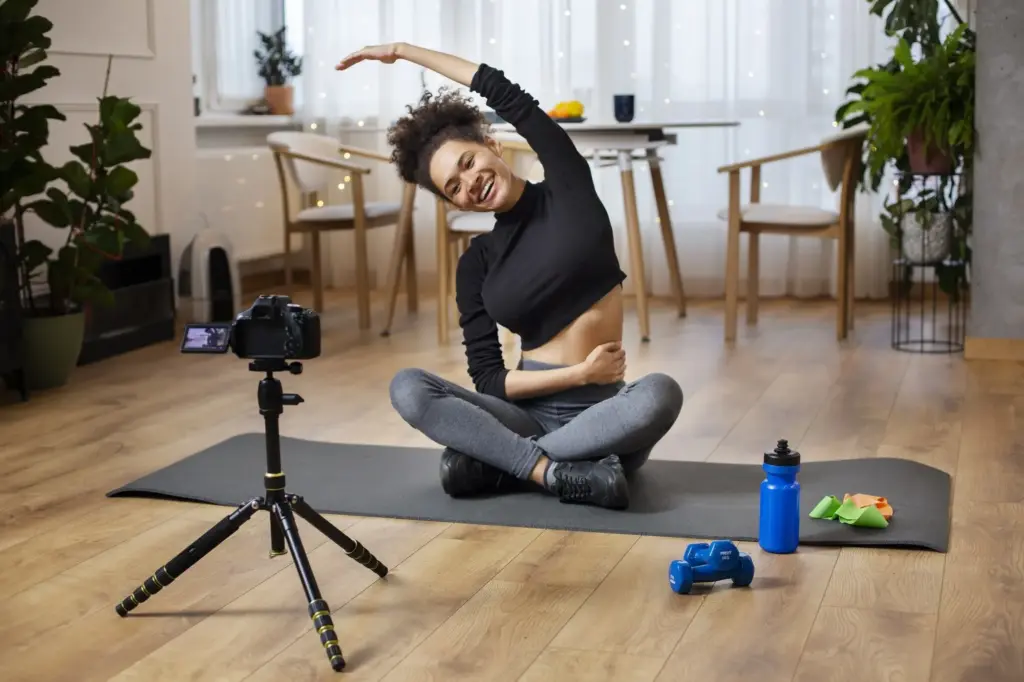
Safety and Setup on the Rooftop
Comfort begins with preparation: grippy mats for dew, layers for breeze, sunscreen for reflectivity, and water within reach. We’ll map clear practice lanes so everyone moves safely, confirming rail distances and stable surfaces. Our team checks wind conditions, sun angles, and noise levels, adapting mic volume and sequencing to protect attention. Accessibility options, prop stations, and friendly helpers ensure beginners feel welcome, heard, and supported from elevator doors to last savasana breath.
Sequencing the Series, Live and Supportive
Each live session builds calmly on the last, using familiar shapes to reduce overwhelm while introducing one new skill at a time. Expect clear demos, options, and real-time reminders that prioritize safety and learning over intensity. We layer breath with alignment, moving from grounding to standing steadiness to gentle flow. Because you can ask questions on the spot, feedback becomes immediate, compassionate, and specific, turning uncertainty into small, satisfying victories.
Session One: Ground and Breathe
We start close to the mat with stable, low-impact shapes. Think constructive rest, diaphragmatic breathing, pelvic tilts, supported bridge, cat-cow, and a kind introduction to mountain. The focus: sensing weight, mapping joints, and discovering functional core engagement. You’ll leave knowing how to scan alignment from feet to crown, and how slow exhales quiet nerves. The sunrise becomes a soft metronome, reminding you that patience is surprisingly strong and deeply practical.
Session Two: Stable Standing and Balance
We revisit mountain, add chair pose with joint-protective angles, explore supported warrior variations, and practice beginner-friendly balance with a wall or sturdy rail for confidence. Cues highlight foot tripod, knee tracking, and pelvic orientation. Transitions remain slow, pausing to breathe and recalibrate. By reinforcing patterns learned earlier, you’ll feel growth without guesswork. Gentle repetition, tiny challenges, and rooftop spaciousness create a confident platform for later, slightly more connected movement.
Simple Breath Patterns That Guide Movement
Begin with nasal breathing to warm and humidify air, then introduce an equal rhythm to anchor transitions. On effort, exhale steadily to engage support; on expansion, inhale to welcome lift. If light wind arrives, match its tempo without forcing. These patterns keep shoulders relaxed, ribs integrated, and jaw soft. Over time, smooth breath becomes the teacher that keeps alignment honest and courage quietly available when shapes feel unfamiliar.
Focus Anchors When Nerves Show Up
New environments can spark jitters, especially above the streets. Choose one anchor: the horizon line, your breath count, or foot sensations. Rotate anchors if attention wanders, celebrating each return without judgment. Use grounding phrases—“soften, lengthen, breathe”—to defuse urgency. When you meet a wobble, smile, then revisit your anchor. This friendly cycle trains resilience, turning rooftop novelty into a reliable classroom for steadier presence, kinder self-talk, and peaceful progress.
Join, Connect, and Keep Growing
Your practice changes faster when you feel supported. Reserve a mat, invite a friend, and join our gentle sunrise circle. Ask questions before, during, and after sessions, and we’ll adapt cues live. Subscribe for schedule updates, weather notices, and simple home practices between meetings. Share rooftop photos, reflections, and wins so others feel brave to start. This is a welcoming doorway, not a finish line, and we’re thrilled to hold it open.

All Rights Reserved.